
by Helen Kenworthy | Aug 27, 2024 | Education, Uncategorized
Closing activities are more than just a way to fill the last few minutes of class. They serve as a powerful tool to reinforce learning, assess understanding, and leave a lasting impression. A well-crafted closing activity can transform a good lesson into a memorable one.
Let’s explore some engaging and effective closing activities to wrap up your lessons.
Why Closing Activities Matter
- Reinforcement: Closing activities provide one last opportunity to reinforce key concepts and skills.
- Closure: They signal the end of the lesson, providing a sense of completion and satisfaction.
- Assessment: They can be used to informally assess student understanding.
- Engagement: A fun and engaging closing activity can leave students eager to learn more.
Types of Closing Activities
- Summarization Techniques:
- KWL Chart: Students review what they knew, what they learned, and what they want to learn further.
- Think-Pair-Share: Students think about a question individually, discuss it with a partner, and then share their thoughts with the class.
- One-Word Summary: Students choose one word to summarize the lesson.
- Exit Slip: Students answer a short question or complete a task on a small piece of paper before leaving class.
- Review Games:
- Jeopardy: Create a game board with categories and point values. Students answer questions to earn points.
- Quizlet Live: Use Quizlet to create a live game where students compete against each other.
- Kahoot!: Create a quiz and project it on a screen. Students answer questions using their smartphones.
- Creative Activities:
- Write a Story: Students write a short story or poem based on the lesson’s content.
- Draw a Picture: Students draw a picture that represents a key concept or idea from the lesson.
- Create a Comic Strip: Students create a comic strip that tells a story related to the lesson.
- Reflection Activities:
- Journal Writing: Students write in their journals about their thoughts and feelings about the lesson.
- Mind Mapping: Students create a mind map to visualize the relationships between different concepts.
- 2Reflection Questions: Students answer reflective questions about the lesson.
Tips for Effective Closing Activities
- Keep it short and sweet. Closing activities should be brief and focused.
- Make it fun and engaging. Use games, activities, or creative tasks to keep students interested.
- Tie it back to the learning objectives. Ensure that the closing activity reinforces the key concepts of the lesson.
- Vary your approach. Use a variety of closing activities to keep students engaged and prevent boredom.
- Provide feedback. Give students feedback on their closing activities to help them improve their learning.
By incorporating effective closing activities into your lessons, you can enhance student learning, create a positive classroom atmosphere, and leave a lasting impression.

by Helen Kenworthy | Aug 20, 2024 | Education
Homeschooling an only child presents a unique set of challenges and opportunities. While it might seem like a solitary endeavor, it can be an incredibly rewarding experience for both child and parent.
Let’s explore together how to create a rich and fulfilling learning experience for your child.
The Benefits of One-on-One Learning
One of the greatest advantages of homeschooling an only child is the unparalleled opportunity for personalized education. With undivided attention focused on a single learner, you can tailor the curriculum to their exact needs, interests, and learning style.
- Personalized Curriculum: You have the freedom to tailor the curriculum entirely to your child’s interests, learning style, and pace.
- Deeper Connections: The one-on-one time allows for a stronger bond between parent and child, fostering a deep understanding of each other.
- Flexibility: You can easily adjust the schedule to accommodate your child’s needs and extracurricular activities.
- Immediate Feedback: Quickly identify areas where your child needs extra support or enrichment.
- Deeper Exploration: Dive into subjects that pique your child’s curiosity without constraints of a group setting.
By harnessing the power of one-on-one learning, you can create a truly exceptional educational experience for your only child.
Addressing Socialization Concerns
One of the most common misconceptions about homeschooling is the concern about socialization. While it’s true that homeschooling an only child might seem isolating, it’s important to remember that socialization happens in various forms. Here are some strategies to foster social growth:
- Homeschool Groups and Co-ops: Connecting with other homeschooling families can provide opportunities for your child to interact with peers in a structured setting.
- Extracurricular Activities: Enrolling your child in sports, music lessons, or clubs can help them develop social skills and build friendships.
- Volunteer Work: Community service can teach empathy, cooperation, and responsibility while providing opportunities for social interaction.
- Family and Friends: Maintain strong relationships with family and friends to ensure your child has regular interactions with people of different ages.
- Playdates and Social Events: Schedule playdates and attend children’s events to encourage social connections.
Remember, socialization is a lifelong process. By providing a variety of opportunities and fostering a supportive environment, you can help your only child develop strong social skills.
Creating a Stimulating Learning Environment
- Dedicated Learning Space: While not mandatory, a designated learning area can signal that it’s time to focus. Ensure it’s well-lit, organized, and stocked with necessary supplies.
- Incorporate Nature: Bring the outdoors in with plants, nature-themed decor, or even a small garden. Studies show a connection between nature and improved cognitive function.
- Stimulate the Senses: Use a variety of textures, sounds, and visuals to engage different learning styles.
- Flexible Spaces: Remember, learning happens everywhere! Sometimes, the kitchen table, the backyard, or even the couch can be ideal learning environments.
- Encourage Exploration: Provide a space for your child to explore their interests, whether it’s art, science experiments, or building projects.
Balancing Parent and Teacher Roles
Homeschooling an only child means wearing multiple hats: parent, teacher, playmate, and more. It’s essential to maintain a healthy balance between these roles to create a positive learning environment.
- Setting Boundaries: Establish clear boundaries between teaching and parenting time. This helps your child understand that there’s a time for learning and a time for fun and help maintain a healthy dynamic.
- Self-Care: Prioritize your own well-being. Taking breaks, engaging in hobbies, or spending time with your partner can help prevent burnout.
- Seeking Support: Connect with other homeschooling parents for advice, support, and camaraderie. Sharing experiences can be invaluable.
- Involving Your Child: Encourage your child to take ownership of their learning by setting goals and making choices.
- Celebrating Successes: Remember to praise and celebrate your child’s achievements to boost their confidence and motivation.
Homeschooling an only child can be a fulfilling journey. By embracing the unique opportunities and addressing potential challenges, you can create a rich and enriching learning experience for your child. Remember, every child is different, so be flexible and adaptable in your approach.
by Helen Kenworthy | Jul 23, 2024 | Education, Uncategorized
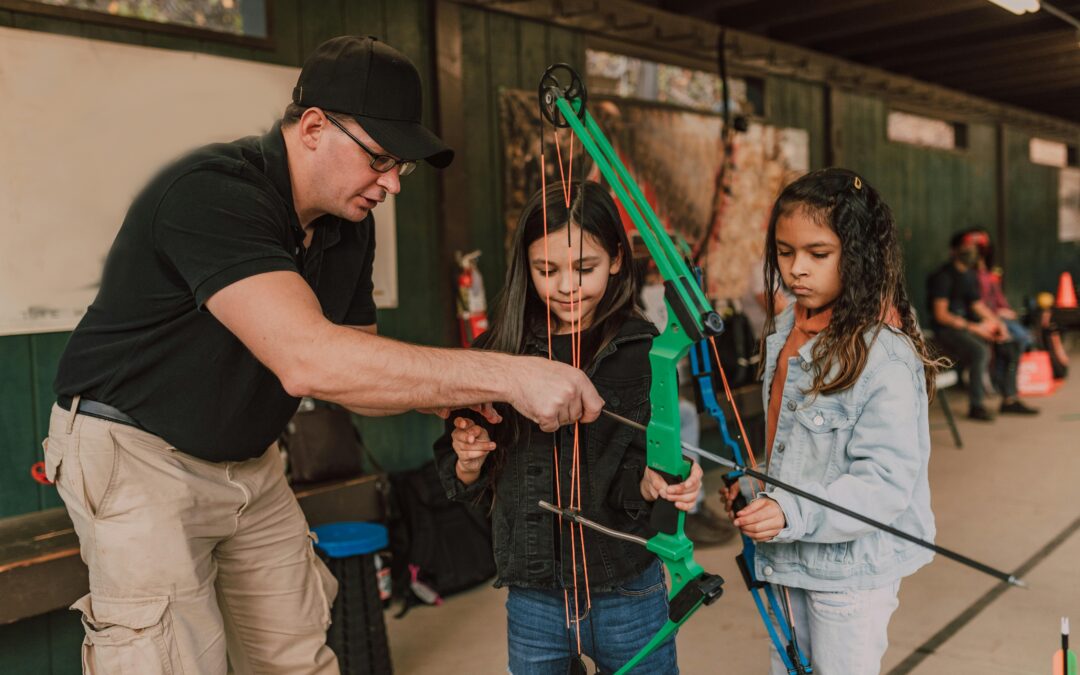
School hallways can feel like a tunnel vision of classes and textbooks sometimes. But wait! There’s a whole world waiting to explode your high school experience with color, energy, and endless possibilities – the world of extracurricular activities!
Beyond the Classroom: Why You Should Join the Club
Extracurricular activities aren’t just a way to fill up your free time (although they can definitely do that in the most awesome way). They offer a treasure trove of benefits that will make you a more well-rounded, confident, and prepared individual for the future. Here are just a few reasons to jump on board:
- Discover Hidden Passions: Ever wondered if you have a secret talent for coding or a hidden knack for debate? Extracurricular activities expose you to a wide range of interests you might not have explored otherwise. Who knows, you might discover a lifelong passion that sets you on an exciting new path!
- Friendship Fiesta: Say hello to your new squad! Clubs and activities create a space where you can connect with like-minded peers who share your interests. These friendships can become a source of support, encouragement, and a whole lot of fun.
- Level Up Your Skills: Whether it’s honing your leadership abilities in student government or mastering a musical instrument in band, extracurriculars provide a platform to develop valuable skills that go beyond textbook learning. These skills will impress colleges and future employers alike.
- Boost Your Resume (and College Applications): Colleges love to see well-rounded students! Participating in extracurricular activities demonstrates commitment, initiative, and a willingness to explore new things. It’s a surefire way to make your application stand out.
- Build Confidence and Self-Esteem: Stepping outside your comfort zone and achieving something new in a club or activity is a powerful confidence booster. It helps you discover your strengths, develop your voice, and learn to overcome challenges.
- It’s Just Fun! Let’s not forget the most important reason – extracurricular activities are a blast! They’re a chance to unwind after school, explore your creativity, and have some unforgettable experiences with friends.
Finding Your Perfect Fit: How to Choose an Extracurricular Activity
With so many options, from robotics club to drama club to the debate team, how do you find the “right” extracurricular activity? Here are some tips:
- Think about your interests: What are you passionate about? Do you love tinkering with electronics or writing stories? Look for clubs that align with your natural interests.
- Don’t be afraid to try something new! Step outside your comfort zone and explore an activity you’ve always been curious about. You might discover a hidden talent!
- Talk to friends and classmates: See what activities they’re involved in and if there’s anything they recommend.
- Attend club fairs or information sessions: These are a great way to learn about different clubs, meet their members, and see if the vibe resonates with you.
- Consider your schedule: Make sure you can realistically commit to the time demands of an extracurricular activity without overwhelming yourself.
The Takeaway:
Extracurricular activities are an essential ingredient for a fulfilling high school experience. They open doors to new skills, friendships, and self-discovery. So, don’t be afraid to step outside your comfort zone and dive into the incredible world of clubs and activities. You might just surprise yourself with how much you enjoy it (and how much it helps you grow)!
by Helen Kenworthy | Jul 16, 2024 | Education
Sunshine and outdoor adventures are awesome, but let’s be honest, summer also brings rain showers and heat waves that make you want to stay indoors. Remember that blog post from last week where we talked about several summer break fun activities?
Well, this week we’re pulling out all the stops! Get ready for a treasure trove of indoor activitiy ideas that will keep your kids entertained and help you create some seriously fun summer memories together.
Bonus: you might even rediscover your own inner child along the way!
The Importance of Play: For Kids and Grown-Ups Too!
Engaging activities aren’t just a way to pass the time; they’re crucial for a child’s development. Playing fosters creativity, problem-solving skills, and social interaction. But here’s the secret: Play isn’t just for kids! Adults benefit from these activities as well. Engaging with your child in their world reduces stress, strengthens your bond, and allows you to rediscover the joy of being playful.
Let’s Get Creative: A Range of Indoor Activities for All Ages
Here are some ideas to spark your imagination and keep everyone entertained:
1. Fort Building Extravaganza
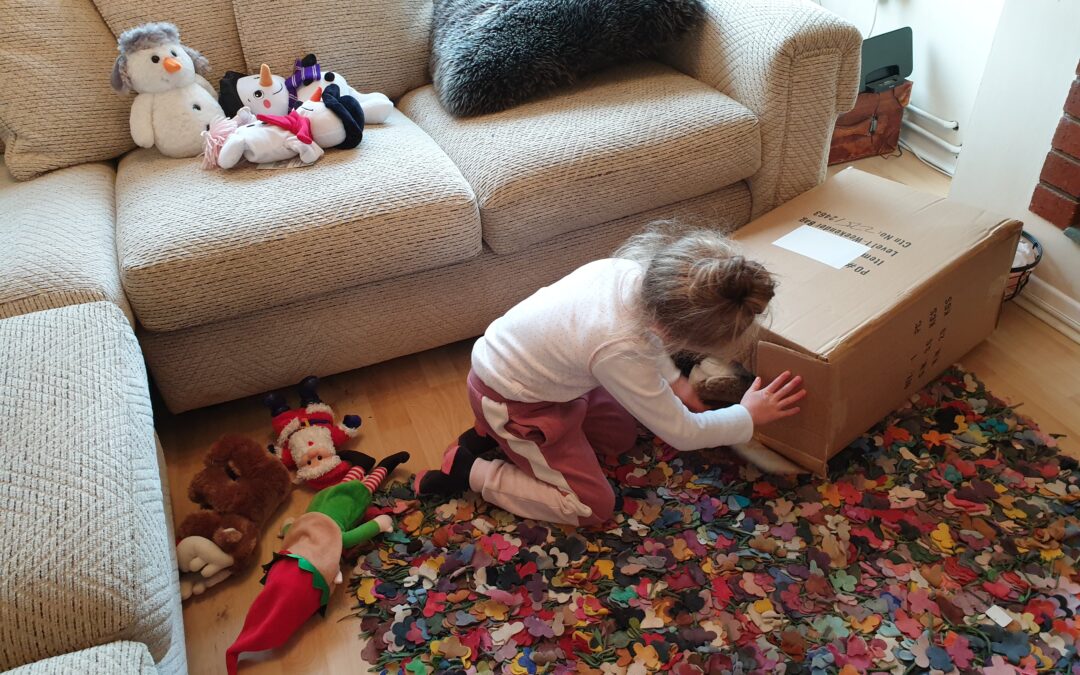
Gather blankets, pillows, chairs, and anything else that can be safely draped or stacked. Let imaginations run wild as you create a secret hideaway, a majestic castle, or a cozy reading nook. Bonus points for decorating your fort with lights, stuffed animals, or drawings!
2. DIY Craft Corner
Craft stores offer a treasure trove of supplies for creating everything from friendship bracelets and slime to tie-dye shirts and paper mache masterpieces. Get messy, get creative, and let everyone showcase their artistic talents!
3. Board Game Bonanza
Dust off those classic board games or explore new ones. From strategy games like chess to cooperative adventures like Forbidden Island, board games offer hours of laughter and friendly competition. For a twist, try creating your own board game with a summer theme!
4. Culinary Creations
Transform your kitchen into a mini-bakery or pizzeria. Get the kids involved in age-appropriate tasks like measuring ingredients, stirring batter, or decorating cookies. The reward? Delicious homemade treats everyone can enjoy!
5. Living Room Olympics
Challenge yourselves to indoor versions of classic games. Organize a beanbag toss competition, create an obstacle course using furniture, or have a dance-off complete with a playlist. Award silly prizes and get ready for giggles galore!
Remember: Tailor the activities to your child’s age and interests. Don’t be afraid to get silly, experiment with new ideas, and most importantly, have fun together! By incorporating these indoor activities into your summer break routine, you’ll create lasting memories and strengthen your bond as a family.
Bonus Tip: Rotate activities throughout the week to keep things fresh and exciting. You can even create a schedule with a mix of physical activities, creative projects, and relaxing downtime.
With a little planning and creativity, you can turn those indoor days into unforgettable summer moments for everyone involved. So get ready to play, laugh, and make memories that will last a lifetime!

by Helen Kenworthy | Jul 2, 2024 | Education
Have you ever stared at a blank page, the dreaded prompt “write a poem” looming over you like a storm cloud? Fear not, fellow wordsmiths and budding artists! Today, we’re throwing open the doors to a secret chamber: the fantastical world of visual poetry. Here, words and art join forces to create explosions of creativity that are both fun and impactful.
But wait, what exactly is a visual poem?
Imagine a poem that isn’t just a bunch of lines on a page. Picture a poem that bursts with color, shape, and texture. A poem where the words themselves dance across the canvas, weaving a story with the help of vibrant paints, playful doodles, or even collaged bits of magazine clippings. That’s the magic of visual poetry!
Why is this so awesome for kids and teenagers?
Let’s face it, traditional poetry can sometimes feel…well, traditional. But visual poetry throws that dusty textbook out the window. Here’s why it’s a game-changer:
- It’s Interactive: Forget memorizing rhyme schemes! Visual poetry lets you experiment with shapes, colors, and even found objects. It’s like playing with words and art at the same time!
- It Sparks Imagination: Stuck in a writing rut? Visual poetry helps you see your poem in a whole new light. Suddenly, that lonely metaphor about a “lonely cloud” can transform into a swirling blue blob, lost in a vast white canvas.
- It’s for Everyone: Whether you’re a budding Picasso or a stick-figure enthusiast, visual poetry welcomes all artistic skill levels. The focus is on expressing yourself freely!
Ready to unleash your inner artist-poet? Let’s get started!
Unleashing Your Creativity: A Toolbox of Techniques
- Shape Poems: This is a blast for younger kids. Choose a cool shape like a heart, a star, or a tree. Now, write your poem within the lines of the shape, using the boundaries to guide your words. A heart poem might overflow with words about love and friendship, while a tree poem could explore themes of growth and change.
- Color My World: Feeling blue? Feeling fiery red? Emotions come alive with color poems! Write a poem about a specific color, then create a piece of art that reflects the feelings or imagery of the poem. A blue poem might be filled with words like “tranquil” and “ocean,” while a red poem could be all about “passion” and “heat.”
- Cut and Paste Poetry: Calling all magazine hoarders (or those with access to a good recycling bin)! This is a fantastic way to create a visual poem with a unique voice. Cut out words and phrases from magazines or newspapers. Use them to create a collage poem that expresses your feelings on a topic. Maybe a poem about technology would be filled with circuit board clippings and robot parts!
Bonus Tips to Make Your Visual Poems Shine
- Read Aloud: After creating your masterpiece, don’t just admire it silently. Share it with friends and family! Read the poem aloud while everyone takes in the artwork. The combination of words and visuals will create a powerful experience.
- Gallery Time: Turn your classroom or living room into an art museum! Organize a “Visual Poetry Showcase” and display everyone’s creations. It’s a fantastic way to celebrate creativity and inspire each other.
- Famous Inspiration: Stuck for ideas? Look no further than the masters! Research famous paintings and sculptures. Write a poem inspired by what you see. Imagine a poem filled with swirling words and vibrant colors, echoing the movement of Van Gogh’s “Starry Night.”
So there you have it! Visual poetry is a world waiting to be explored, a playground where words and art collide to create something truly special. So grab your crayons, paints, and notebooks, and get ready to let your imagination explode! Remember, there are no wrong answers, only endless possibilities. Happy creating!
