by Helen Kenworthy | Aug 14, 2024 | Education
The Importance of Reading Books for Kids
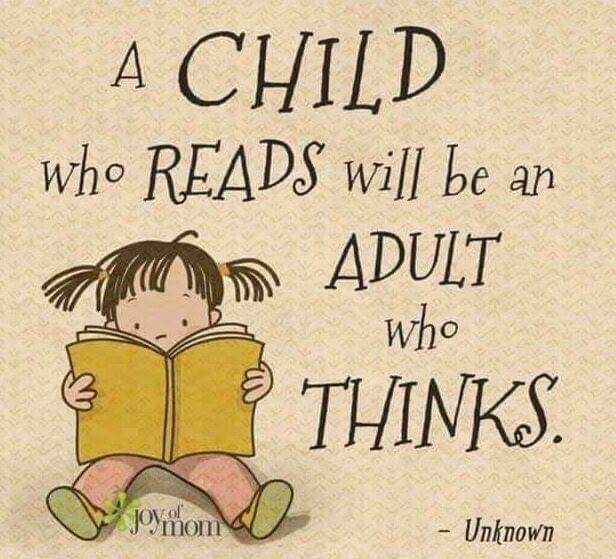
Reading is often hailed as the cornerstone of education, and for good reason. It’s a gateway to countless worlds, a catalyst for imagination, and a fundamental building block for cognitive development. When it comes to children, the importance of reading cannot be overstated. Let’s delve into the myriad benefits of cultivating a love for books in young minds.
Language Development and Vocabulary Expansion
- Building a Strong Foundation: Reading exposes children to a vast array of words and sentence structures, enriching their vocabulary and language skills.
- Effective Communication: A robust vocabulary empowers children to express themselves clearly and confidently, both verbally and in writing.
Cognitive Development and Critical Thinking
- Sharpening the Mind: Books stimulate critical thinking as children analyze characters, plotlines, and themes.
- Problem-solving Skills: Encountering challenges in stories helps children develop problem-solving strategies.
- Improved Memory and Concentration: Regular reading enhances focus and memory retention.
Emotional Intelligence and Empathy
- Understanding Emotions: Books introduce children to a range of emotions and help them understand their own feelings.
- Developing Empathy: By stepping into the shoes of characters, children learn to empathize with others.
- Building Resilience: Overcoming challenges faced by book characters can foster resilience in young readers.
Imagination and Creativity
- Fueling the Imagination: Books transport children to fantastical worlds, igniting their creativity.
- Encouraging Storytelling: Reading inspires children to create their own stories and characters.
Academic Success
- Stronger Foundation: A love of reading directly correlates with academic achievement in all subjects.
- Improved Test Scores: Children who read regularly tend to perform better on standardized tests.
How to Encourage Reading in Kids
- Make Reading Fun: Create a cozy reading nook, read aloud together, and choose books that align with their interests.
- Lead by Example: Show children the joy of reading by incorporating books into your own life.
- Visit Libraries: Regular library visits expose children to a vast selection of books and create a positive association with reading.
- Limit Screen Time: Establish a balance between screen time and reading time to prioritize book engagement.
Conclusion
Reading is an invaluable gift we can bestow upon our children. By nurturing a love for books from a young age, we empower them with essential skills, broaden their horizons, and lay the foundation for a lifetime of learning and enjoyment. Let’s make reading an integral part of every child’s life and watch their minds soar!

by Helen Kenworthy | Jun 25, 2024 | Education
The art of storytelling dates back to the dawn of human civilisation, and transcends barriers across cultures and generations, capturing an audience through its mastery in tying down raw emotions into a neat storyline. Storytelling is one of the most important things you can master – especially in the digital age if you are an aspiring blogger, marketer or content creator that wants to capture (and keep) your audience’s attention. The following blog contains storytelling techniques and how these tactics contribute to the transformation of storytelling using descriptive writing.
The Essence of Effective Storytelling
At its core, storytelling is about connecting with people emotionally. It’s about painting a picture with words that resonates with the listener or reader, evoking feelings and memories that transcend the literal meaning of the story. Effective storytelling does more than simply entertain; it educates, inspires, and moves people to action.
Crafting Compelling Characters
Characters are the heart and soul of any story. Developing characters that are relatable, complex, and multidimensional is key to drawing readers in. Consider the following tips:
- Characterization: Give your characters depth by revealing their personalities, backgrounds, and motivations through their actions and dialogue.
- Conflict: Introduce conflict early on to drive the plot and keep readers engaged.
- Resolution: Ensure that conflicts are resolved in a satisfying manner, leaving readers with a sense of closure.
Plot Structure
A well-structured plot guides the reader through the story, building anticipation and maintaining momentum. Consider the following elements:
- Beginning: Start with an engaging hook that grabs the reader’s attention.
- Middle: Develop the plot, introducing complications and challenges.
- End: Conclude with a resolution that ties up loose ends and leaves a lasting impression.
The Impact of Vivid Descriptions
Vivid descriptions transform ordinary scenes into extraordinary experiences, immersing readers in the story and making it more memorable. Here’s how to harness the power of vivid descriptions:
- Sensory Language
Engage all five senses—sight, sound, touch, taste, and smell—to paint a rich, detailed picture. For example, describe the texture of a fabric, the aroma of a meal, or the echo of footsteps.
- Show, Don’t Tell
Instead of merely stating facts or opinions, show readers what’s happening through actions, dialogues, and observations. This technique allows readers to infer meanings and emotions, making the story more authentic and engaging.
- Consistent Tone and Voice
Maintain a consistent tone and voice throughout the story to create a cohesive narrative. Whether it’s humorous, dramatic, or reflective, consistency helps establish a connection between the reader and the story.
- Reflective Moments
Integrate reflective moments that allow characters to ponder their experiences, emotions, and lessons learned. These moments add depth to the story and provide readers with pause for contemplation.
Conclusion
Effective storytelling and vivid descriptions are the cornerstone of engaging, memorable content. By focusing on character development, plot structure, and the use of sensory language, storytellers can captivate audiences, evoke emotions, and inspire action. Remember, the art of storytelling is not just about entertaining; it’s about connecting with people on a deeper level, leaving a lasting impression, and perhaps even changing lives.
So, the next time you sit down to write, remember the power of your words. With every sentence, you have the opportunity to transport your readers to another world, to make them laugh, cry, or think. Embrace the art of storytelling, and watch as your words come alive.
by Helen Kenworthy | Apr 10, 2024 | Education, Resources, Uncategorized
Welcome to our journey through the enchanting world of “Snuffer & Robertson,” a delightful children’s book that transports readers into the heart of a friendship between a wise old collie dog named Robertson and a playful rabbit named Snuffer. This blog will take you on a tour of the book’s captivating story, its beautiful illustrations, and why it’s a must-read for every child aged 3 to 8.
Background of “Snuffer & Robertson”
“Snuffer & Robertson” is the first in a series of books that celebrate friendship, acceptance of differences, and the joy of adventure. Written by Helen and Val Lewis, a mother-daughter duo with a wealth of experience in working with young children, this book is not just a story but a journey of discovery and learning. The story of Snuffer and Robertson is inspired by the friendship between Robertson, a collie dog, and Freddie, a much-loved furry member of the Lewis family.
The Art and Design of “Snuffer & Robertson”
The book’s illustrations are hand-drawn, showcasing the unique art style of Helen and Val Lewis. The designs are vibrant and engaging, with a focus on the characters’ expressions and the lush, woodland setting that serves as their playground. The layout is designed to encourage reading together, with lines split into two colors for easy reading by younger children, and sentences of varying difficulty to challenge and engage readers of all ages.
Why Every Kid Should Read “Snuffer & Robertson”
- “Snuffer & Robertson” is more than just a children’s book; it’s a tool for learning and growth. The story, filled with rhymes and adventures, is written with simple sentences, making it accessible for young readers to read on their own.
- It encourages children to practice different tenses, explore new words, and engage in discussions about language structures.
- The book also supports the work of the RYTC (Really Youthful Theatre Company) and Education Selection Box, contributing to children’s art and drama therapy charities in the West Midlands.
Reader Recommendations
For children aged 3 to 8, “Snuffer & Robertson” is a perfect blend of fun, learning, and emotional connection. Whether you’re reading it together, by yourself, or with a parent, this book is sure to captivate and inspire.
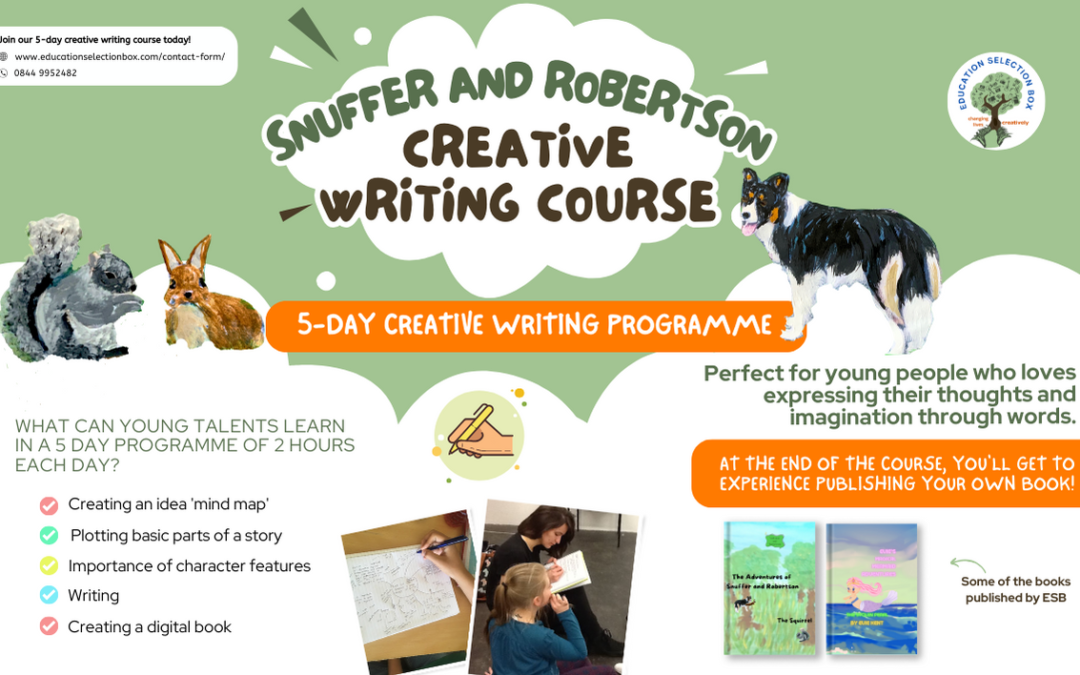
To further explore the themes and lessons in the book, consider enrolling in the RYTC Drama Course or the Education Selection Box Creative Writing Course.
Conclusion
“Snuffer & Robertson” is a testament to the power of storytelling in education. It’s a book that not only entertains but also encourages children to reach their full potential. Whether you’re a parent looking for a book to share with your child or a teacher seeking resources for your classroom, “Snuffer & Robertson” is a gem worth discovering.
Where to Purchase
You can order the paperback on Amazon or the e-book version here
